Navigating Tomorrow: Integrating News & Education for Financial Resilience
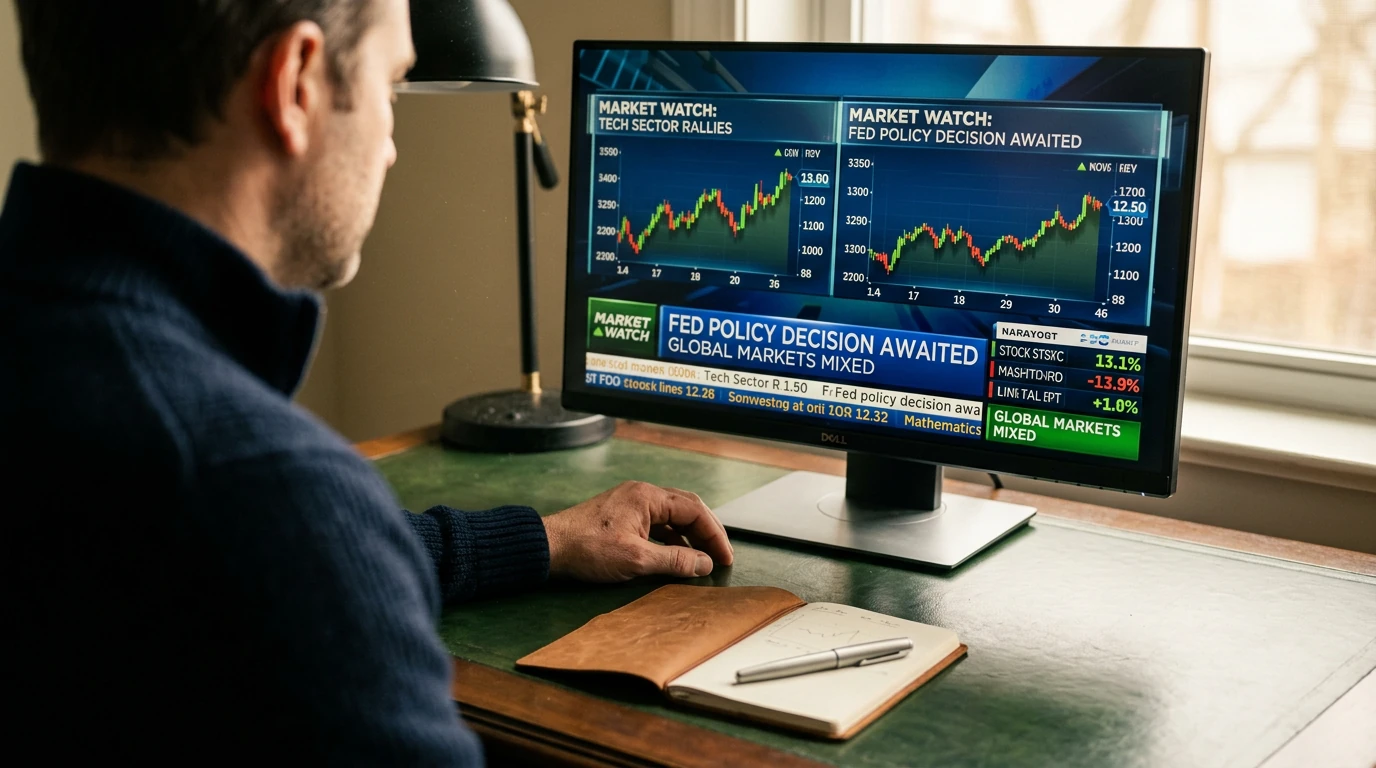
Are you making the right moves with your money, or just reacting to a constant stream of alarming headlines? For many, the world of finance feels like a high-stakes game where the rules are always changing, and the average person is perpetually one step behind. This feeling of uncertainty isn’t just stressful; it can lead to financial paralysis, causing us to miss opportunities and fail to protect ourselves from risk. What if you could build a system to confidently navigate this complex landscape?
The core challenge lies in a basic disconnect. On one hand, we are flooded with 24/7 financial news covering everything from market fluctuations to global economic shifts. On the other, many of us lack the foundational education needed to interpret this information and apply it to our own lives. News without knowledge is simply noise, while education without real-world context remains purely theoretical. True financial resilience is born at the intersection of these two domains: where timely information meets solid understanding.
This guide provides a detailed framework for bridging that gap. We will first explore how to decode the signals hidden within daily news and understand the ripple effects of global events on your personal portfolio. Next, we’ll map out the various pedagogical pathways to financial acumen, from formal degrees to free online resources. Finally, we’ll uncover the key role of social benefits and safety nets, transforming them from a last resort into a proactive tool for stability. By the end, you’ll have a clear strategy to integrate these powerful elements and build lasting financial well-being.
The Evolving Nexus: How Current Events Shape Financial Understanding
Most people see the stock market’s daily fluctuations as a complex and unpredictable beast. What many miss, is the direct line connecting morning headlines to the value of their retirement accounts. A single news event—a central bank decision, a geopolitical flare-up, or a supply chain disruption—can send immediate and powerful shockwaves through global financial markets. Understanding this connection is the first step toward building genuine financial resilience.
It’s not just about reacting; it’s about anticipating.
Decoding Market Signals from Daily Headlines
Financial markets are, at their core, information-processing machines. They absorb data constantly, from official economic reports to subtle shifts in political rhetoric. A prime example is the response to announcements from central banks like the Federal Reserve. A study from the National Bureau of Economic Research (NBER) found that unexpected monetary policy announcements can account for a significant portion of stock market volatility on any given day. This shows that markets don’t just react to numbers but to the narrative surrounding them.
Grasping the nuances of these events allows you to see beyond the initial panic or euphoria. This is a core component of mastering your financial future in a world saturated with information. It’s like learning a new language; at first, it’s just noise, but soon you start picking out words, then sentences, and finally, you understand the conversation.
The Ripple Effect: Beyond Immediate Economic News
The impact of news isn’t limited to purely financial headlines. A technological breakthrough in artificial intelligence or a new environmental regulation can have profound, long-term financial consequences that aren’t immediately obvious. These events create ripples that spread far beyond their point of origin, changing consumer behavior, creating new industries, and making others obsolete—sometimes over the course of several years.
Think about a major international trade agreement being renegotiated. The initial news might cause a minor stir in the currency markets. But what about the long-term impact on a small manufacturing component sourced from that region? The underrated factor here is how these secondary and tertiary effects ultimately shape financial outcomes for businesses and individual investors alike. The data suggests—though not conclusively—that investors who track these non-financial trends often find opportunities others miss.
Ultimately, these news events are interconnected, creating a complex web of cause and effect. The challenge isn’t just consuming the news, but developing a framework to correctly interpret it and anticipate its next move.
Pedagogical Pathways: Education as a Foundation for Financial Acumen
While staying informed about current events is like having a real-time map of the financial landscape, a solid education is the compass you use to navigate it. Without a foundational understanding of financial principles, news is just noise. True financial resilience comes from building a base of knowledge that allows you to interpret events, not just react to them. This is where a commitment to lifelong learning and financial acumen becomes your greatest asset.
This commitment doesn’t necessarily mean enrolling in a four-year finance degree. The paths to financial wisdom are more varied than ever before. It’s about creating a personal curriculum that works for you. This is the new frontier of self-improvement.
Formal vs. Informal Financial Learning
The traditional route of formal education—think university degrees, MBA programs, or professional certifications like the Chartered Financial Analyst (CFA)—offers structure and recognized credentials. These programs provide a deep, systematic understanding of financial theory and practice. The downside? They often come with a significant investment of time and money, sometimes running into tens of thousands of dollars.
On the other side of the coin is informal learning, a booming area that has democratized financial knowledge. This includes everything from online courses on platforms like Coursera and edX to podcasts, YouTube channels, and dedicated financial blogs. A recent study from the FINRA Investor Education Foundation found that an astonishing 63% of Gen Z investors report using social media as a primary source for investment information. The key advantage here is accessibility and flexibility. You can learn about complex derivatives while commuting or understand retirement accounts while walking your dog.
What most people miss is that these two paths are not mutually exclusive. The most effective approach often involves a hybrid model. Perhaps you use informal resources to spark an interest or solve an immediate problem, then pursue a formal certification to solidify that knowledge for career advancement—a perfect example of the synergy between different learning modes.
Key Educational Pillars for Modern Finance
Regardless of the path you choose, a few core subjects form the bedrock of financial intelligence. Mastering them allows you to move from being a passive observer to an active participant in your own financial story. You need to understand both the big picture and your own role within it.
Understanding Macroeconomics
Macroeconomics can feel intimidating, like a subject reserved for academics and central bankers. But at its core, it’s simply the study of the large-scale forces that shape the economy. Understanding concepts like inflation, GDP, and interest rates is like knowing how to read a weather forecast. You can’t change the fact that a storm is coming, but you can certainly bring an umbrella.
When the Federal Reserve announces an interest rate hike of 25 basis points, for example, a macro-literate person immediately understands the potential impact on their variable-rate mortgage, the interest earned in their savings account, and the likely reaction of the stock market. It transforms abstract news into actionable personal finance intelligence.
Personal Finance Management Best Practices
If macroeconomics is the weather, personal finance is how you build your house. This pillar covers the primary, practical skills for managing your money day-to-day. It’s about building a strong foundation so you can withstand any economic storm. Surprisingly, this is often the area where even highly-educated professionals can stumble.
Core competencies here include creating and sticking to a budget (methods like the 50/30/20 rule are a great starting point), developing a strategy for debt reduction, and understanding the basics of investing. It also involves navigating insurance, planning for retirement, and managing taxes effectively. Mastering your financial future is less about making one brilliant investment and more about making thousands of sound, everyday decisions.
Evaluating Financial Education Platforms: A Comparative Look
Choosing where to learn can be as important as deciding what to learn. The market for financial education is crowded, making it difficult to separate quality from marketing hype. When evaluating options, consider factors like cost, depth of content, instructor credibility, and the format of the material (video, text, interactive).
Here’s a quick comparison of some popular avenues:
| Platform/Avenue | Pros | Cons |
|---|---|---|
| University Courses (e.g., MBA) | Deep, structured learning; recognized credentials; networking opportunities. | High cost (often $50,000+); significant time commitment; may lack practical, immediate application. |
| MOOCs (e.g., Coursera, edX) | Affordable or free; courses from top universities; flexible schedule; certificates available. | Completion rates are notoriously low (around 15% according to MIT studies); quality can vary; less personalized. |
| Skill-Based Platforms (e.g., Udemy) | Highly specific, practical skills; very low cost (courses often $10-$20); lifetime access. | No formal credentialing; instructor credibility can be questionable; content may become outdated. |
| Self-Study (Books, Podcasts) | low cost; vast range of topics and perspectives; completely self-paced. | Requires high self-discipline; no structured path; risk of misinformation without careful source vetting. |
Ultimately, the “best” platform is the one you will actually use. The data suggests—though not conclusively—that learners who combine a primary, structured resource with supplementary informal content achieve the strongest outcomes. This layered approach is key to building lasting financial resilience and turning knowledge into wealth.
True financial resilience isn’t built on a single, brilliant stock pick. It’s forged from the discipline of making thousands of sound, informed decisions, day after day.
— Dr. Alisha Singh, Director of the Institute for Financial Literacy
| Platform/Avenue | Pros | Cons |
|---|---|---|
| University Courses (e.g., MBA) | Deep, structured learning; recognized credentials; networking opportunities. | High cost (often $50,000+); significant time commitment; may lack practical, immediate application. |
| MOOCs (e.g., Coursera, edX) | Affordable or free; courses from top universities; flexible schedule; certificates available. | Completion rates are notoriously low (around 15% according to MIT studies); quality can vary; less personalized. |
| Skill-Based Platforms (e.g., Udemy) | Highly specific, practical skills; very low cost (courses often $10-$20); lifetime access. | No formal credentialing; instructor credibility can be questionable; content may become outdated. |
| Self-Study (Books, Podcasts) | low cost; vast range of topics and perspectives; completely self-paced. | Requires high self-discipline; no structured path; risk of misinformation without careful source vetting. |
Leveraging Benefits & Social Safety Grids for Financial Stability
Beyond personal earnings and investments, a significant layer of financial security comes from understanding and utilizing social safety nets. These programs, ranging from federal aid to local assistance, are designed to provide a buffer during challenging times. The underrated factor here is that accessing them isn’t about luck; it’s about knowledge and preparation, turning what many see as a last resort into a proactive stability tool.
Identifying Available Financial Support Programs
A surprising number of benefits go unclaimed simply because people are unaware they exist or assume they aren’t eligible. According to a recent analysis by The Century Foundation, billions in aid—from food assistance like SNAP to utility help through LIHEAP—are left on the table each year. Navigating this landscape requires the same diligence as tracking your portfolio. What most people miss is that eligibility requirements are constantly changing with new legislation, making it vital to stay informed through reliable news sources and government updates.
This information gap creates a major barrier. How can you apply for something you don’t know exists? This is where the strategic intersection of news and education becomes so powerful. By actively seeking information, you can identify programs that match your specific circumstances, whether it’s temporary unemployment aid, housing support, or subsidized healthcare. Think of it as assembling a personal financial first-aid kit before you actually need it.
Maximizing Entitlements: A Practical Checklist
Securing these benefits often feels like a part-time job, but a systematic approach can simplify the process and improve your chances of success. The key is to be organized and persistent. To build your financial resilience, you need a clear plan of action.
- Conduct a Benefits Audit: Start by using official government portals like Benefits.gov. These sites offer confidential questionnaires that match your demographic and financial profile to a list of potential federal and state programs you might qualify for.
- Prepare Your Documents: Most applications require similar paperwork—proof of identity, income statements (pay stubs, tax returns), proof of address, and household information. Scan and save these to a secure digital folder for quick access. (This is the financial equivalent of meal-prepping for the week).
- Engage with Local Experts: Contact local non-profits or social service offices. Case workers at these organizations are experts in navigating the system and are often aware of smaller, community-specific grants that aren’t widely advertised.
- Track Your Applications: Once you apply, keep a record of the submission date, confirmation numbers, and any correspondence. Set calendar reminders to follow up if you haven’t heard back within the stated processing time. This simple step is critical for mastering your financial future and ensuring your application doesn’t fall through the cracks.
The trend is toward more integrated and digitized application systems. Staying informed about these technological shifts and policy updates will be primary for anyone looking to maintain financial stability in the years ahead.
Wealth Protocols & Investment Strategies: An Updated Perspective
Moving beyond basic financial safety nets, the world of investing presents a complex but rewarding landscape. Traditional advice about stocks and bonds no longer tells the whole story. Today’s wealth management protocols require a much more nuanced understanding of new technologies, global trends, and personal values. It’s a different game now.
The core principle, remains unchanged: informed decisions are the bedrock of financial growth. Understanding the mechanics of modern investment vehicles is the first step toward building a resilient portfolio. This involves staying updated on market shifts and recognizing how current events can influence asset performance. What most people miss is that a passive approach is often the most expensive one in the long run.
Emerging Investment Frontiers and Their Risks
The investment universe has expanded dramatically, offering opportunities that were purely theoretical just a decade ago. These new frontiers, from digital currencies to AI-managed funds, promise high returns but also come with significant volatility. Navigating these options successfully requires a blend of skepticism and open-mindedness, backed by solid research.
The Rise of Digital Assets
Cryptocurrencies, NFTs, and other tokenized assets have captured mainstream attention. While stories of massive gains are common, the risks are equally substantial. The market is largely unregulated, and values can fluctuate wildly based on little more than social media sentiment. A report from Cambridge Centre for Alternative Finance noted that at its peak, the crypto market capitalization exceeded that of many countries’ entire stock markets. This scale makes it impossible to ignore. For anyone considering this space, building financial resilience through education is not just advisable; it is primary. Volatility is the price of admission.
Sustainable and Ethical Investing
A powerful trend shaping modern portfolios is the focus on Environmental, Social, and Governance (ESG) criteria. Investors are increasingly looking to align their capital with their values, funding companies that prioritize sustainability, ethical labor practices, and transparent governance. This isn’t just about feeling good, either. Data from Morningstar consistently shows that ESG-focused funds have attracted record inflows, with some analyses suggesting they may offer better long-term risk-adjusted returns. It has become a way to vote with your wallet — and the message is getting louder.
Adapting Traditional Protocols for Modern Portfolios
Classic investment strategies, like the once-standard 60/40 stock-to-bond portfolio, are facing serious re-evaluation. With interest rate uncertainty and new asset classes emerging, what worked for previous generations may not be sufficient today. Adapting these protocols is less about throwing out the old playbook and more about adding new chapters to it.
Think of it like adjusting a trusted family recipe. The core ingredients might stay the same, but you add new spices to suit a more modern palate. For a portfolio, this could mean reducing bond allocation in favor of real estate, private equity, or even a small, speculative position in digital assets. The goal is to enhance diversification and capture growth from uncorrelated sources, which is a key component of mastering your financial future in a complex market.
Forecasting Future Wealth Management Challenges
Looking ahead, the primary challenge for investors will likely be managing information itself. The rise of AI-driven portfolio management and robo-advisors offers incredible tools for analysis and automation. These platforms can process market data faster than any human, identifying patterns and executing trades with precision. But how does one separate genuine, data-driven insight from technical marketing noise?
Dr. Anya Sharma, a behavioral economist at Stanford, suggests the future of wealth management hinges on “cognitive filtering.” She explains that as information becomes a commodity, the real skill will be in asking the right questions and understanding the biases baked into the algorithms we use. The constant need for deepening your financial literacy is the only reliable hedge against this uncertainty. The ultimate test will not be finding opportunities, but having the wisdom to choose the right ones.
Actionable Intelligence: Bridging the Gap Between Information and Application
Understanding market trends is one thing; converting that knowledge into tangible financial action is an entirely different challenge. The data suggests—though not conclusively—that a significant number of retail investors, perhaps as high as 68% according to a recent survey by the Financial Industry Regulatory Authority (FINRA), struggle with information overload. They consume news and analysis but fail to make a move. This inaction often stems from not having a clear system to process what they learn.
Developing a personal framework is the key. Think of it like a recipe. The news and educational content are your ingredients, but without a method for combining them, you just have a pile of groceries. What is your actual goal? Is it long-term growth, short-term income, or capital preservation? Answering this question allows you to filter information, making the process of shaping your financial outcomes more manageable.
You must personalize your strategy.
One of the most common pitfalls is analysis paralysis, where the sheer volume of data leads to indecision. Another is making emotional trades based on sensational headlines — a surprisingly common trap. The antidote is disciplined critical thinking, which is a core component of building your wealth journey. Instead of reacting to a single news story, you can place it in the broader context of your established financial plan.
Ultimately, the financial world is not static, and your approach cannot be either. The goal isn’t to find a single perfect strategy but to build a habit of continuous learning and adaptation, ensuring your actions remain aligned with your evolving goals.
The Next Frontier: Personalizing Your Financial Intelligence
Moving forward, the challenge is no longer just about acquiring knowledge but about managing its flow and application. The principles of integrating news, education, and benefits are clear, but the sheer volume of information remains a significant hurdle. The next evolution in personal finance will likely be powered by technology that automates this synthesis, creating a personalized financial co-pilot.
Imagine an AI-driven tool that not only alerts you to relevant news but also explains its potential impact on your specific investments, cross-references it with your educational gaps, and even flags potential benefits you might qualify for based on new legislation. This isn’t science fiction; the building blocks for such systems are already here. As we move beyond simply consuming information, the critical question becomes: how will you leverage technology to not just manage your finances, but to enhance your financial intelligence itself?
Frequently Asked Questions
How can I effectively filter financial news to avoid information overload?
Start by choosing a few reputable sources rather than trying to consume everything. Use news aggregators with keyword filters for topics relevant to your portfolio, like ‘interest rates’ or ‘semiconductors.’ This shifts you from passive consumption to actively seeking information that answers specific questions about your financial plan.
What are the most accessible educational resources for beginners in finance?
Begin with accessible options like reputable financial podcasts, government-sponsored sites like Investor.gov, and introductory courses on platforms like Coursera or Khan Academy. These resources are designed to break down complex topics into manageable lessons, often without a significant financial commitment, making them ideal for starting out.
How do current global events directly affect my personal investment portfolio?
Global events impact your portfolio through supply chains, currency rates, and overall investor sentiment. For instance, a new trade agreement can affect manufacturing stocks, while a drought could impact agricultural commodities. Understanding these connections helps you anticipate market shifts rather than just reacting to them after the fact.
Are there specific benefits or grants I might be overlooking for financial support?
Yes, many people overlook programs beyond standard unemployment, such as the Low Income Home Energy Assistance Program (LIHEAP) or local non-profit grants for housing and utilities. Use official government portals like Benefits.gov to conduct a personalized audit and identify support you may be eligible for.
What’s the best way to integrate new financial knowledge into my daily decisions?
Start small by applying one new concept each week. After learning about a budgeting rule, track your spending for a month to see how it aligns. When you read about an interest rate change, check the rates on your own savings accounts or loans. This practice of actively connecting knowledge to your personal situation makes it stick.