Housing Benefit 2026: New Caps & Renters’ Financial Impact

Housing Benefit Calculations for 2026: New Caps and How They Affect Renters in the Private Sector by Up to £75 Monthly
Understanding the impending shifts in Housing Benefit (HB) is crucial for private sector renters across the UK. With new caps set to take effect in 2026, many households face potential adjustments of up to £75 monthly. This comprehensive guide delves into the specifics of these reforms, offering clarity and practical advice to help you navigate the changes.
Introduction: The Looming Changes to Housing Benefit 2026
The landscape of welfare provision in the UK is constantly evolving, and 2026 is poised to bring significant alterations to the Housing Benefit system. Specifically, new caps on Local Housing Allowance (LHA) rates are anticipated to have a direct and tangible impact on private sector renters who rely on Housing Benefit to cover their accommodation costs. For many, these changes could translate into a reduction in financial support, potentially leaving a gap of up to £75 per month between their benefit entitlement and their actual rent.
This article aims to provide a detailed breakdown of the upcoming Housing Benefit 2026 reforms. We will explore the reasons behind these changes, how the new caps will be calculated, and, most importantly, what this means for you as a private sector renter. Understanding these nuances now can empower you to plan effectively and mitigate the potential financial strain. Our goal is to demystify complex policy language and offer actionable insights, ensuring you are well-prepared for what lies ahead.
What is Housing Benefit and Why is it Changing?
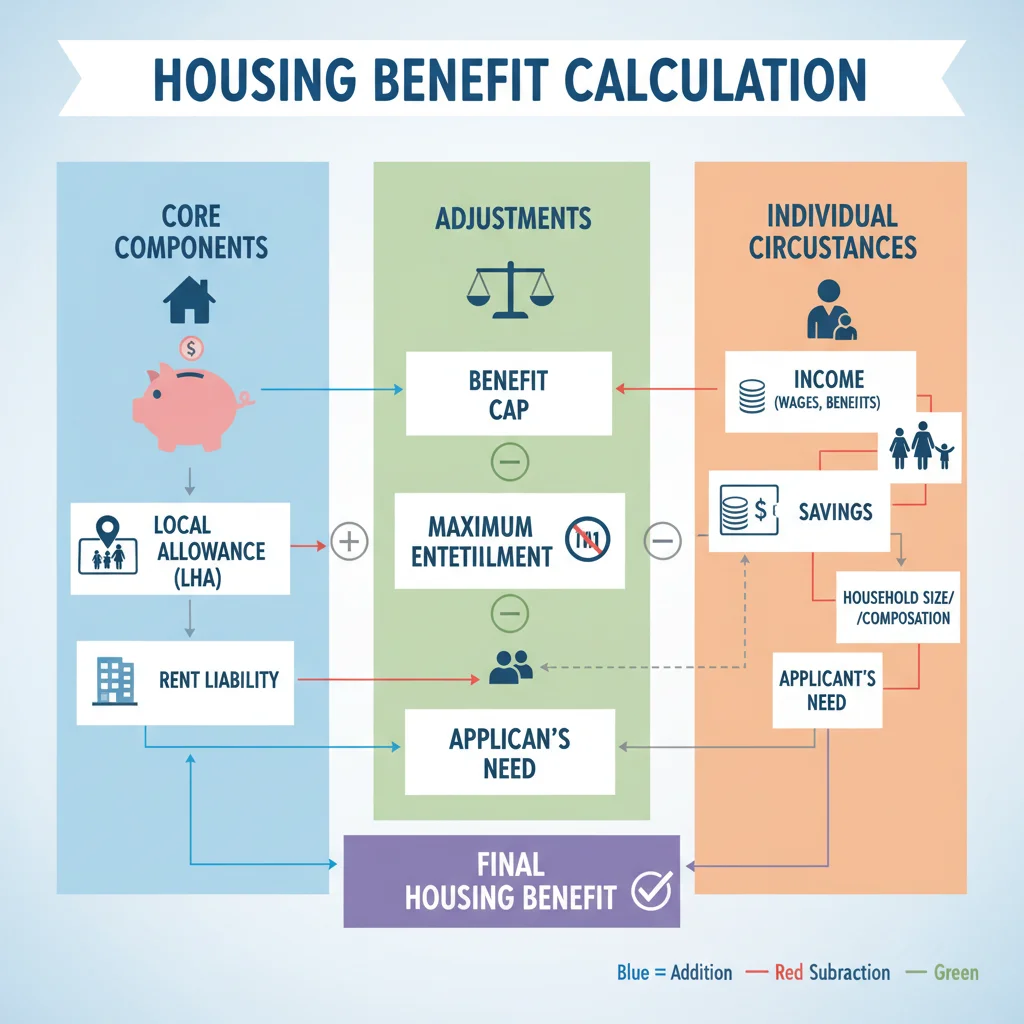
Housing Benefit is a social security benefit in the UK designed to help people on low incomes pay their rent. It is administered by local authorities and can cover part or all of a claimant’s rent, depending on their income, savings, and household circumstances. For private sector renters, the amount of Housing Benefit is largely determined by the Local Housing Allowance (LHA) rates, which are set by the government based on local market rents.
The government’s rationale for introducing new caps to Housing Benefit 2026 often revolves around controlling public spending, promoting work incentives, and ensuring the sustainability of the welfare system. While these objectives are understandable from a policy perspective, their implementation often has profound effects on individuals and families. The upcoming changes are part of broader welfare reforms that seek to adjust the level of support provided, particularly in the private rental market. Critics argue that such changes disproportionately affect vulnerable households, pushing them closer to the brink of housing insecurity.
Historically, LHA rates have been subject to various freezes and adjustments, often failing to keep pace with rising rental costs. The proposed 2026 caps represent another significant recalibration, intended to align benefit payments more closely with what the government deems affordable. However, in a rental market characterized by escalating prices and limited affordable housing, these caps could exacerbate existing challenges for many.
Understanding Local Housing Allowance (LHA) and Its Role
The Local Housing Allowance (LHA) is a critical component of Housing Benefit for private sector tenants. It sets the maximum amount of Housing Benefit you can receive, regardless of your actual rent. LHA rates are determined by the Valuation Office Agency (VOA) and are based on the average market rents for different property sizes (from a single room in a shared house to a four-bedroom property) within specific Broad Rental Market Areas (BRMAs).
Currently, LHA rates are typically set at the 30th percentile of local market rents. This means that, in theory, 30% of properties in a given area should be affordable within the LHA rate. However, various factors can cause discrepancies, including rapid rent increases, regional variations, and the impact of previous freezes. The new Housing Benefit 2026 caps are expected to introduce further limitations on these rates, potentially lowering the maximum benefit entitlement even further.
It’s important to understand that LHA rates are not fixed across the country. They vary significantly depending on where you live, reflecting the differing rental markets in different regions. For example, LHA rates in London are considerably higher than in many other parts of the UK due to the vastly different rental costs. The concern with the new caps is that they may not adequately account for these regional disparities, leading to greater hardship in areas with higher rents, even if those rents are considered ‘average’ for that specific locality.
The size of property you are deemed to need also plays a crucial role in determining your LHA rate. This is based on the ‘bedroom standard’, which allocates one bedroom for each of the following:
- An adult couple
- Any other adult aged 16 or over
- Two children of the same sex under 16
- Two children of any sex under 10
- Any other child
Understanding your applicable LHA rate is the first step in assessing how the new Housing Benefit 2026 caps might affect you. You can typically find current LHA rates for your area on the government’s website or through your local council.
The New Caps for Housing Benefit 2026: What We Know
While the precise details of the Housing Benefit 2026 caps are still being finalized and subject to potential parliamentary approval, the broad direction of travel indicates a tightening of eligibility and a reduction in the maximum payable amounts. Early indications suggest that the caps will aim to further control the overall expenditure on Housing Benefit, possibly by adjusting the percentile at which LHA rates are set or by introducing absolute maximums that are lower than current LHA rates in certain high-cost areas.
One of the primary concerns is that these new caps will create a larger ‘affordability gap’ for renters. This gap occurs when the amount of Housing Benefit received is less than the actual rent charged by a landlord. When this happens, the renter is responsible for making up the difference, which can place significant financial pressure on already stretched household budgets. The projected £75 monthly impact is an average, meaning some individuals or families could face even larger shortfalls, while others might experience less severe reductions.
The impact will not be uniform across all regions. Areas with historically higher rents, where LHA rates have previously been higher, are often the most vulnerable to significant reductions when caps are introduced. This is because a universal or near-universal cap might not adequately reflect the true cost of living and renting in those specific localities. Similarly, larger families requiring more bedrooms might find the new caps particularly challenging, as the cost of larger properties often rises disproportionately.
It is crucial for renters to stay informed about official announcements from the Department for Work and Pensions (DWP) and their local councils as 2026 approaches. We will update this guide as more concrete details emerge regarding the specific mechanisms and thresholds of the new Housing Benefit 2026 caps.
How the New Caps Could Affect Private Sector Renters
The most immediate and direct impact of the new Housing Benefit 2026 caps will be felt in the pockets of private sector renters. A reduction in Housing Benefit means a larger portion of a household’s income will need to be allocated to rent, leaving less for other essential living costs such as food, utilities, transport, and childcare. This can lead to increased financial precarity, debt, and, in severe cases, a heightened risk of homelessness.
Let’s consider a hypothetical example: Sarah, a single parent with two children, lives in a two-bedroom flat in a private rented property. Her current rent is £900 per month, and her Housing Benefit covers £850 of this, based on the current LHA rate for a two-bedroom property in her area. She pays the remaining £50 herself. With the new Housing Benefit 2026 caps, if her LHA rate is reduced by £75, her Housing Benefit might only cover £775. This means Sarah would now need to find £125 per month from her other income to cover the rent, a significant increase in her housing costs.
The broader implications extend beyond individual households. Landlords in areas affected by significant reductions in Housing Benefit may find it harder to rent to tenants reliant on benefits, potentially leading to increased discrimination or a reluctance to accept benefit claimants. This could further reduce the housing options available to vulnerable renters, pushing them into less suitable or more precarious living situations.
Furthermore, the cumulative effect of these changes, combined with other cost-of-living pressures, could lead to a decline in living standards for many. It may force difficult choices between paying rent and affording other necessities, impacting health, education, and overall well-being.
Potential Scenarios for Renters:
- Increased Rent Burden: The most common outcome will be a larger portion of income dedicated to rent.
- Search for Cheaper Accommodation: Renters might be forced to move to cheaper, potentially less suitable, areas or properties.
- Debt Accumulation: Struggling to cover the rent gap could lead to borrowing and accumulating debt.
- Impact on Savings: Any existing savings might be depleted to cover rent shortfalls.
- Heightened Risk of Homelessness: For those already on the brink, even a small reduction could push them into housing crisis.
Navigating the Changes: What You Can Do Now
While 2026 may seem some way off, proactive planning is essential to mitigate the impact of the new Housing Benefit 2026 caps. Here are several steps private sector renters can take:
1. Review Your Current Financial Situation
Start by gaining a clear understanding of your current income, outgoings, and how much of your rent is currently covered by Housing Benefit. Calculate any existing shortfall and consider how an additional £75 (or more) per month might affect your budget. This financial audit will provide a baseline for your planning.
2. Understand Your Local Housing Allowance (LHA) Rate
Familiarize yourself with the current LHA rates for your area and property size. While these will change, knowing the baseline can help you anticipate the scale of potential reductions. Websites like Gov.uk provide tools to check LHA rates by postcode.
3. Explore Options with Your Landlord
If you anticipate a significant shortfall, consider discussing your situation with your landlord. While they are not obliged to reduce rent, some may be willing to negotiate, especially if it means retaining a good tenant. Open communication can sometimes lead to mutually beneficial solutions.
4. Seek Financial Advice and Support
Numerous organizations offer free and impartial financial and housing advice. Charities like Shelter, Citizens Advice, and housing associations can provide tailored guidance on your specific circumstances, help you understand your rights, and explore potential solutions. They can also advise on other benefits you might be eligible for.
5. Budgeting and Saving
If possible, begin to adjust your budget now to account for a potential reduction in Housing Benefit. Even small savings each month can build up and help to cushion the blow when the changes come into effect. Look for areas where you can cut back on non-essential spending.
6. Consider Alternative Housing Options
While not ideal, it might be necessary to consider if your current property will remain affordable. Exploring options for smaller properties, different areas with lower LHA rates, or even social housing (if eligible) could be a long-term strategy. This is a significant decision and should be approached with careful consideration and advice.
7. Check for Discretionary Housing Payments (DHPs)
Discretionary Housing Payments (DHPs) are extra payments from your local council if you get Housing Benefit or the housing element of Universal Credit and need more help with housing costs. They are not guaranteed and are awarded at the council’s discretion, but they can provide a temporary lifeline for those facing a shortfall. Familiarize yourself with how to apply and the eligibility criteria in your local area.
The Broader Context: Housing Crisis and Welfare Reform
The Housing Benefit 2026 caps do not exist in a vacuum; they are part of a larger narrative of housing affordability challenges and ongoing welfare reform in the UK. The country has been grappling with a severe housing crisis for many years, characterized by a shortage of affordable homes, rapidly rising rents, and stagnant wages for many. This crisis disproportionately affects those on lower incomes, making reliance on benefits like Housing Benefit essential for survival.
Welfare reforms over the past decade have aimed to reduce the overall welfare bill and encourage greater self-reliance. While some argue these reforms are necessary for fiscal responsibility, others contend that they place undue pressure on the most vulnerable members of society, often pushing them into poverty and exacerbating existing inequalities. The introduction of Universal Credit, which is gradually replacing Housing Benefit for most new claimants, also brings its own set of complexities and challenges, particularly with the five-week wait for the first payment and the monthly payment structure.
The impact of the Housing Benefit 2026 caps must be viewed through this lens. For many, it’s not just about a single benefit reduction but another layer of financial stress in an already challenging economic environment. Policy decisions regarding housing support have far-reaching consequences, affecting not only individual households but also local economies, public services, and societal well-being.

Advocacy and Future Outlook
Organizations across the UK are actively campaigning for a fairer welfare system and greater investment in affordable housing. Groups like Shelter, Citizens Advice, and the National Housing Federation consistently highlight the impact of benefit cuts on renters and advocate for policies that ensure everyone has access to safe, affordable housing. These organizations play a crucial role in bringing the lived experiences of affected individuals to the attention of policymakers.
As 2026 approaches, it is likely that there will be continued debate and discussion around the Housing Benefit 2026 caps. The political and economic landscape can shift, and public pressure can sometimes influence the final implementation of policies. Staying engaged with these discussions, and if possible, supporting advocacy efforts, can be a way to contribute to a more equitable housing future.
For individuals, the future outlook underscores the importance of financial literacy, proactive planning, and seeking support when needed. While the changes may present significant challenges, being informed and prepared can make a substantial difference in navigating the transition. The goal is not just to survive these changes but to adapt and find sustainable housing solutions within the evolving welfare framework.
Conclusion: Preparing for Housing Benefit 2026
The impending Housing Benefit 2026 caps represent a significant reform that will undoubtedly affect many private sector renters across the UK. With potential reductions of up to £75 monthly, understanding these changes and preparing for their impact is paramount. From reviewing your finances and understanding LHA rates to seeking expert advice and exploring all available options, taking proactive steps now can help cushion the blow.
This article has aimed to provide a comprehensive overview, demystifying the complexities of Housing Benefit 2026 and offering practical guidance. Remember, you are not alone in navigating these challenges. Utilize the resources available from local councils, charities, and advice services. By staying informed and planning ahead, private sector renters can better position themselves to manage the financial adjustments and secure their housing stability in the years to come.
The journey towards 2026 demands vigilance and resilience. Equip yourself with knowledge, seek support, and advocate for your needs to ensure a smoother transition through these significant changes to housing benefit.