Bereavement Support Payment 2026: Understanding the £3,500 Initial Payment and Ongoing Allowances in the UK
Losing a loved one is an incredibly difficult experience, often compounded by unexpected financial strains. In the United Kingdom, the government provides crucial financial assistance through the Bereavement Support Payment (BSP). As we look towards 2026, it’s essential to understand the current structure of this vital support, including the significant initial payment and subsequent monthly allowances designed to help grieving individuals navigate this challenging period. This comprehensive guide aims to demystify the Bereavement Support Payment UK, outlining who is eligible, how much you can expect to receive, and the process for applying.
What is Bereavement Support Payment (BSP)?
The Bereavement Support Payment (BSP) is a welfare benefit designed to provide short-term financial support to people who have lost their husband, wife, or civil partner. It replaced the previous bereavement benefits – Bereavement Allowance, Bereavement Payment, and Widowed Parent’s Allowance – for deaths that occurred on or after 6 April 2017. The BSP is not means-tested, meaning your income or savings do not affect your eligibility or the amount you receive. This focus on providing immediate and direct support is crucial for many families grappling with the emotional and practical aftermath of a loss.
The primary goal of the Bereavement Support Payment UK is to help alleviate some of the immediate financial pressures that can arise after a death, such as funeral costs, household bills, and adjusting to a single income. It acknowledges that while no amount of money can replace a loved one, having financial stability can provide a necessary foundation for grieving and rebuilding.
Eligibility Criteria for Bereavement Support Payment UK in 2026
To be eligible for Bereavement Support Payment (BSP) in 2026, specific criteria must be met. These conditions ensure that the support reaches those who are most directly affected and qualify under the scheme’s guidelines. Understanding these requirements is the first step in determining if you can claim this crucial financial aid.
Key Eligibility Requirements:
- Relationship: You must have been married to or in a civil partnership with the deceased when they died. Unfortunately, cohabiting partners, regardless of the length of the relationship or presence of children, are not currently eligible for BSP. This specific requirement has been a point of discussion and potential reform, but as of 2026, it remains a strict condition.
- Age: You must be under State Pension age when your husband, wife, or civil partner died. If you were already receiving your State Pension, you would not be eligible for BSP.
- National Insurance Contributions: Your deceased partner must have paid National Insurance contributions for at least 25 weeks in any one tax year since 6 April 1975. This is a fundamental aspect of many UK benefits, linking eligibility to contributions made to the national insurance scheme.
- Location: You must be living in the UK or in a country that pays UK benefits.
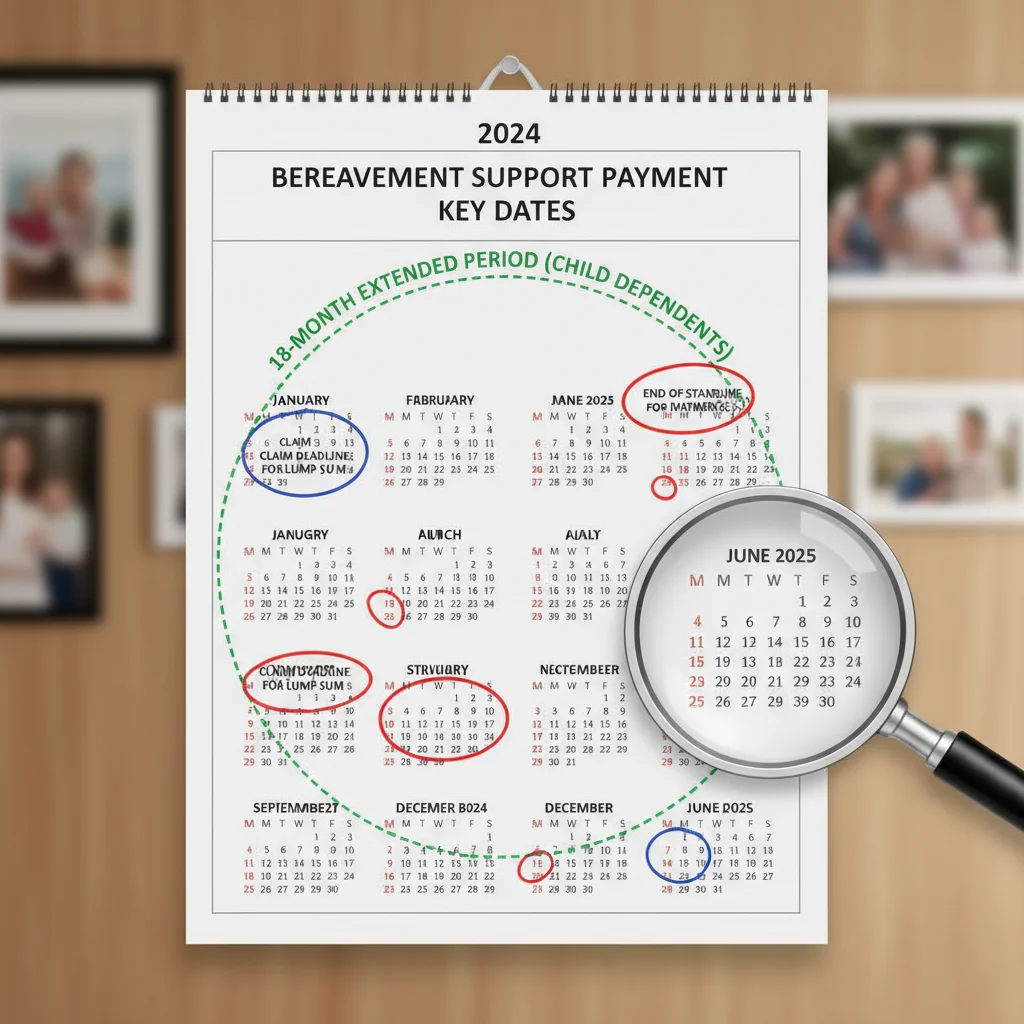
- Time Limit: You must claim within 12 months of your partner’s death. However, in some circumstances, you might be able to claim up to 21 months after their death, but the payments will only be backdated for a maximum of 12 months. It is always advisable to apply as soon as possible to avoid missing out on any payments.
Special Considerations:
There are two rates of Bereavement Support Payment UK, determined by whether you are responsible for a child. This distinction significantly impacts the amount you receive, reflecting the additional financial responsibilities of raising children.
- Higher Rate: This applies if you are pregnant or have a child who receives Child Benefit and was under 16 (or under 20 if they were in approved education or training) when your partner died. The child must have been living with you or your partner when they died.
- Standard Rate: This applies if you do not meet the criteria for the higher rate.
It’s important to note that if you remarry or form a new civil partnership, your Bereavement Support Payment will stop. This is because the benefit is designed to support individuals in the immediate aftermath of losing a spouse or civil partner, not as a long-term income replacement.
The £3,500 Initial Payment in 2026
One of the most significant features of the Bereavement Support Payment UK is the substantial initial lump sum payment. For those eligible for the higher rate, this initial payment is set at £3,500. This amount is specifically designed to provide immediate financial relief, helping with funeral costs, outstanding debts, or simply bridging the gap while you adjust to new financial circumstances.
This initial payment is a one-off sum and is usually paid directly into your bank account shortly after your claim is approved. Its purpose is to offer a significant buffer during what is often a chaotic and emotionally draining time. For individuals claiming the standard rate, the initial payment is lower, reflecting the absence of dependent children, but still provides valuable immediate support.
Why is the Initial Payment so Important?
The period immediately following a death can be fraught with unexpected expenses. Funeral arrangements, legal fees, and the sudden drop in household income can quickly create a financial crisis. The £3,500 initial payment for the higher rate of Bereavement Support Payment UK helps to:
- Cover immediate costs, preventing debt accumulation.
- Provide a sense of security, allowing time to process grief without immediate financial panic.
- Facilitate necessary adjustments to household budgets.
It acts as a financial safety net, allowing beneficiaries to focus on their emotional well-being rather than being overwhelmed by immediate monetary concerns.
Ongoing Allowances: Monthly Payments for 18 Months
Beyond the initial lump sum, the Bereavement Support Payment UK also provides ongoing monthly payments for a period of 18 months. These payments are crucial for sustained financial assistance as you adapt to life without your partner.
Monthly Allowance Rates (as of 2026, subject to annual review):
- Higher Rate: After the initial £3,500 payment, you will receive £350 per month for 18 months. This totals an additional £6,300 over the 18-month period.
- Standard Rate: After the initial payment (which is lower than the higher rate’s £3,500), you will receive £100 per month for 18 months. This totals an additional £1,800 over the 18-month period.
It’s vital to remember that these figures are based on current understanding and are subject to annual review by the Department for Work and Pensions (DWP). While the core structure of the Bereavement Support Payment UK is expected to remain consistent in 2026, the exact monetary values may see slight adjustments due to inflation or policy changes.
How to Claim Bereavement Support Payment
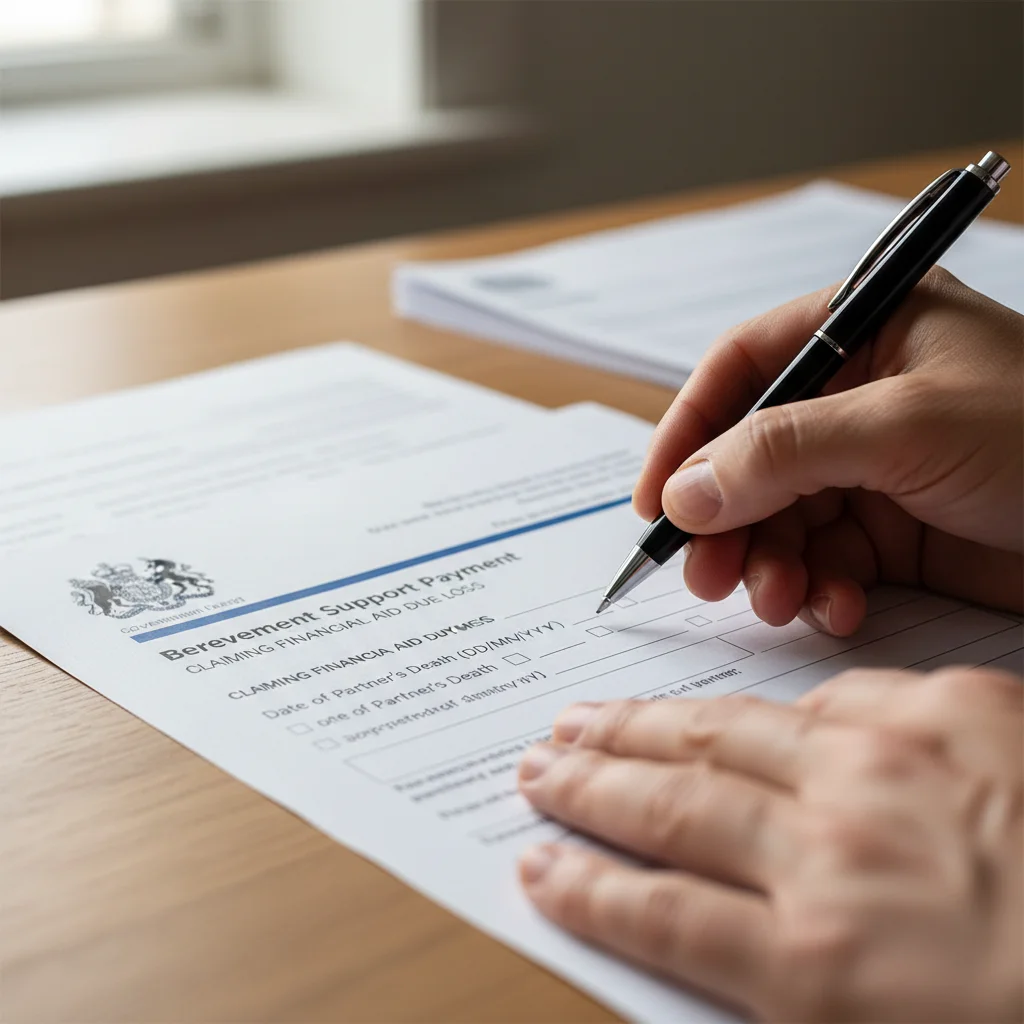
The process of claiming Bereavement Support Payment UK is designed to be as straightforward as possible, recognizing the difficult circumstances applicants are facing. However, gathering the correct information and submitting the application promptly are key to a successful claim.
Steps to Apply:
- Gather Information: You will need your National Insurance number, your deceased partner’s National Insurance number, their date of birth and date of death, and your bank or building society account details. If you are claiming the higher rate, you will also need details about the child you are responsible for.
- Choose Your Application Method:
- Online: The quickest and often preferred method is to apply online via the GOV.UK website. The online form guides you through each section.
- Phone: You can call the Bereavement Service helpline to make a claim over the phone. They can also provide guidance and answer any questions you might have.
- Post: You can download a claim form (BS1) from the GOV.UK website, fill it in, and post it to the Bereavement Support Payment address provided on the form.
- Submit Your Claim: Ensure all sections are completed accurately and submit your application. It’s crucial to do this within the 12-month (or up to 21-month) time limit from your partner’s death.
What Happens After You Apply?
Once your application for Bereavement Support Payment UK is submitted, the Department for Work and Pensions (DWP) will review it. If successful, you will typically receive the initial lump sum payment first, followed by the monthly allowances. The DWP will inform you in writing about the outcome of your claim and the payment schedule.
If your claim is rejected, the DWP will explain why. You have the right to challenge this decision through a mandatory reconsideration process, and if still unsatisfied, you can appeal to an independent tribunal. It’s advisable to seek advice from organizations like Citizens Advice if you need assistance with an appeal.
Impact on Other Benefits
An important aspect of the Bereavement Support Payment UK is its interaction with other benefits you might be receiving. Unlike some other benefits, BSP is disregarded for the benefit cap. This means that receiving BSP will not reduce the amount of other benefits you receive due to the benefit cap.
However, BSP is considered as income for Universal Credit purposes. This means that the monthly payments you receive from BSP could affect the amount of Universal Credit you are entitled to. The initial lump sum payment is generally treated as capital, not income, for Universal Credit, but it’s always best to declare it to the DWP to avoid any overpayment issues.
If you are receiving other income-related benefits, such as Housing Benefit or Council Tax Reduction, the BSP might be taken into account. It is always recommended to inform the relevant authorities about your BSP payments to ensure your benefits are calculated correctly and you avoid any future complications. Transparency with the DWP and local councils is key.
Potential Future Changes and Reforms
While this guide focuses on the Bereavement Support Payment UK as it stands for 2026, the landscape of welfare benefits is always subject to change. There have been ongoing discussions and legal challenges regarding the eligibility criteria, particularly concerning cohabiting partners.
In 2023, legislation was passed to extend eligibility for Bereavement Support Payment and its predecessor, Widowed Parent’s Allowance, to cohabiting parents. This change is retrospective, meaning payments can be backdated to April 2017. However, the implementation of this change, including the exact process for claims and the timeline for payments, is still being rolled out. While this is a significant development, it primarily addresses parents and does not yet extend to cohabiting partners without children. It highlights the dynamic nature of government benefits and the potential for further reforms.
It’s always advisable to check the official GOV.UK website or consult with a benefits advisor for the most up-to-date information, as policy adjustments can occur. Staying informed ensures you are aware of any new opportunities for support or changes to existing schemes.
Navigating Grief and Financial Support
Beyond the financial aid provided by the Bereavement Support Payment UK, it’s crucial to acknowledge the broader support systems available for those experiencing grief. Financial stability can alleviate one burden, but emotional support, practical advice, and community connections are equally vital.
Organizations like Cruse Bereavement Support, Widowed and Young (WAY), and local hospice services offer counselling, support groups, and resources to help individuals cope with loss. These services can provide a safe space to share feelings, learn coping mechanisms, and connect with others who understand what you are going through.
Practical Steps During Bereavement:
- Register the Death: This is a legal requirement and usually needs to be done within five days.
- Inform Relevant Parties: Notify banks, utility companies, employers, and government agencies (like the DWP) about the death. The ‘Tell Us Once’ service can simplify this process.
- Seek Financial Advice: Consult with a financial advisor to understand your new financial situation, including pensions, insurance policies, and potential inheritance.
- Prioritise Self-Care: Grieving is exhausting. Allow yourself time to rest, seek professional help if needed, and lean on your support network.
The Bereavement Support Payment UK is a testament to the government’s recognition of the immediate financial challenges faced by bereaved individuals. While it cannot erase the pain of loss, it provides a practical lifeline during a period of immense vulnerability.
Conclusion
The Bereavement Support Payment (BSP) in the UK for 2026 remains a cornerstone of financial assistance for those who have lost a spouse or civil partner. With a significant initial payment of up to £3,500 and ongoing monthly allowances for 18 months, it offers crucial support during a time of immense emotional and practical difficulty. Understanding the eligibility criteria, the application process, and how BSP interacts with other benefits is essential for anyone navigating this challenging period.
While the focus of this guide has been on the financial aspects, it’s imperative to remember that grief is a complex journey. The Bereavement Support Payment UK aims to alleviate financial stress, thereby creating space for individuals to focus on their emotional well-being and begin the process of healing. Always refer to official government sources and seek professional advice for the most accurate and personalized information regarding your specific circumstances.
By being informed and accessing the support available, both financial and emotional, individuals can better navigate the profound challenges that come with bereavement, ensuring a more stable foundation for the future.