Child Benefit Uprating 2026: Understanding the 6.7% Increase Impact

Child Benefit Uprating 2026: How the 6.7% Increase Will Impact Families Starting April
The financial landscape for families across the United Kingdom is constantly evolving, with government policies playing a crucial role in shaping household budgets. One such policy, the Child Benefit Uprating, is set to undergo a significant change in 2026, with an announced 6.7% increase. This adjustment, effective from April, is poised to have a substantial impact on millions of families, providing much-needed additional support in the face of ongoing economic pressures. Understanding the intricacies of this uprating, its eligibility criteria, and the broader implications is vital for parents and guardians planning their finances.
For many, Child Benefit represents a fundamental pillar of financial assistance, helping to cover the myriad costs associated with raising children. From daily expenses to educational needs and recreational activities, the demands on family finances are considerable. The 6.7% increase in the Child Benefit Uprating for 2026, therefore, is not just a statistical adjustment; it is a tangible boost that could make a real difference to the quality of life for countless families. This comprehensive guide aims to unpack every aspect of this upcoming change, offering clarity and practical insights.
We will delve into the reasons behind the 6.7% increase, exploring the economic factors that necessitate such an adjustment. Furthermore, we will detail who is eligible to receive Child Benefit, the process for claiming it, and crucially, how the High Income Child Benefit Charge (HICBC) interacts with this uprating. Our goal is to provide a complete picture, empowering families to understand their entitlements and navigate the system effectively. The anticipation of the April 2026 implementation date underscores the importance of being well-informed now, allowing for proactive financial planning.
What is Child Benefit and Why is it Uprated?
Child Benefit is a regular payment made by the government to individuals who are responsible for children. It is designed to help with the costs of raising a family and is usually paid every four weeks. In the UK, there are two rates of Child Benefit: a higher rate for the eldest or only child and a lower rate for each additional child. Unlike some other benefits, Child Benefit is not means-tested based on household income, meaning that almost all families with children are eligible to claim it, regardless of their earnings. However, the High Income Child Benefit Charge (HICBC) can reduce or eliminate the net benefit for higher earners, a critical point we will explore in detail.
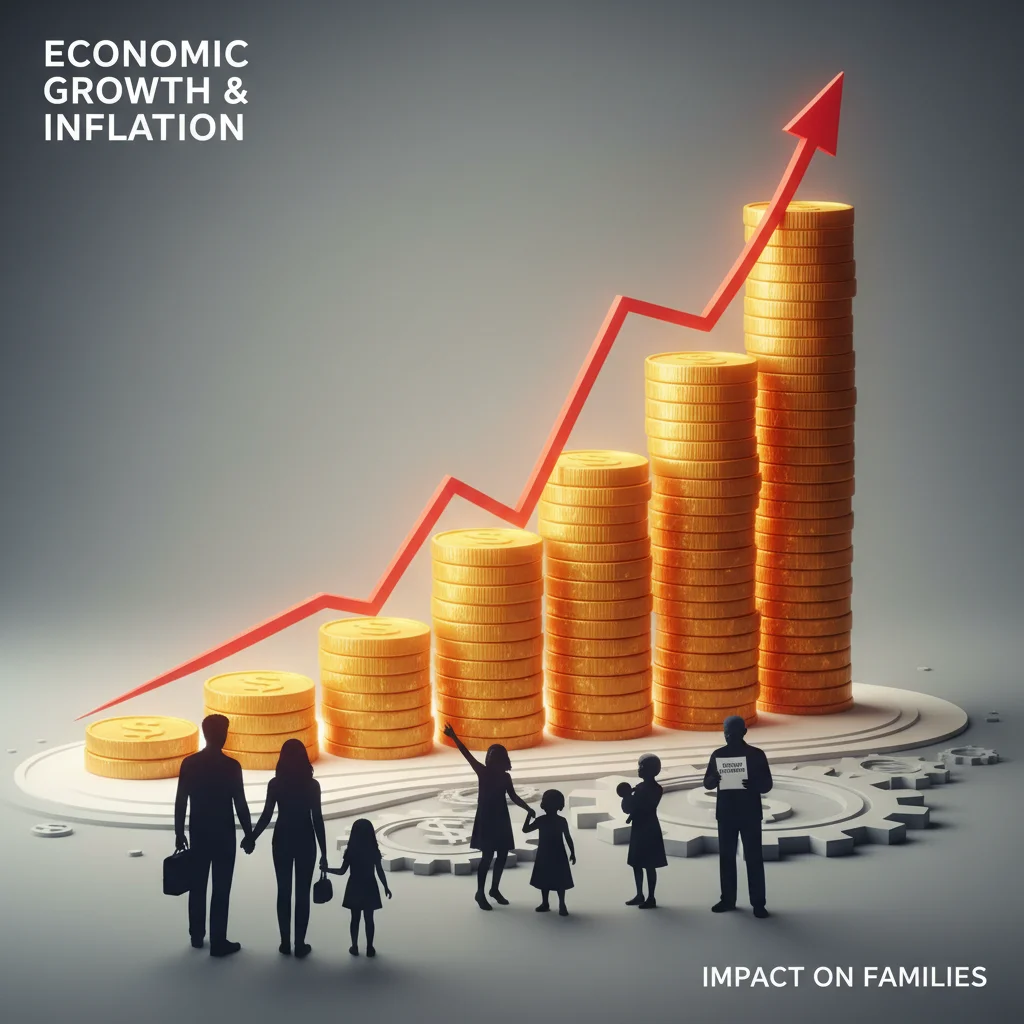
The concept of ‘uprating’ refers to the annual adjustment of benefits and pensions to reflect changes in the cost of living, typically linked to inflation. The purpose of the Child Benefit Uprating is to ensure that the value of the benefit does not erode over time due to rising prices. Without regular upratings, the purchasing power of Child Benefit would diminish, placing an increasing strain on families. The 6.7% increase for 2026 is based on the Consumer Price Index (CPI) inflation figure for September of the preceding year. This mechanism aims to maintain the real value of the support provided to families, helping them keep pace with the general increase in living expenses.
The decision to implement a 6.7% increase reflects a commitment to supporting families amidst a period of significant economic challenges. High inflation has been a prominent feature of the economic landscape in recent years, impacting everything from food prices to energy bills. By uprating Child Benefit in line with inflation, the government seeks to mitigate some of these pressures, ensuring that families continue to receive meaningful financial assistance. This proactive measure is crucial for maintaining the financial stability of households with children, particularly those who are most vulnerable to economic shocks. The Child Benefit Uprating is a direct response to these prevailing economic conditions, aiming to provide a safety net and promote family welfare.
The 6.7% Increase: What It Means in Real Terms for Child Benefit Uprating
A 6.7% increase in Child Benefit translates directly into more money in the pockets of eligible families. To understand the precise impact, it’s essential to look at the current rates and then apply the uprating. As of the most recent figures, the weekly rate for the eldest or only child is £25.60, and for each additional child, it is £16.95. Applying a 6.7% increase to these figures will result in new weekly rates that will be effective from April 2026. For example, the eldest child’s benefit would rise to approximately £27.31 per week, and for additional children, it would increase to about £18.08 per week. These seemingly small weekly increments accumulate significantly over a year, providing hundreds of pounds of extra support annually.
For a family with two children, this could mean an annual increase of over £100. While individual circumstances vary, the overall effect is a positive adjustment to household income, offering greater flexibility and capacity to manage expenses. This uprating is particularly beneficial for families on tighter budgets, where every extra pound can make a substantial difference in meeting essential needs. It can contribute to better nutrition, access to educational resources, and participation in extracurricular activities, all of which are vital for a child’s development and well-being. The Child Benefit Uprating, therefore, directly enhances the living standards of families.
The impact extends beyond mere financial figures; it also provides a psychological boost. Knowing that government support is keeping pace with inflation can offer a sense of security and stability in uncertain times. This is especially true for single-parent households or families where one parent is unable to work, making Child Benefit a critical component of their financial planning. The 6.7% increase is a clear signal of the government’s recognition of the ongoing challenges faced by families and its commitment to providing sustained support. It reinforces the role of Child Benefit as a cornerstone of the welfare system, designed to alleviate child poverty and promote family welfare across the nation. The consistent adjustment through Child Benefit Uprating ensures its relevance and effectiveness.
Eligibility for Child Benefit and the High Income Child Benefit Charge (HICBC)
Understanding who is eligible for Child Benefit is the first step in claiming this vital support. Generally, you can claim Child Benefit if you are responsible for a child who is under 16, or under 20 if they stay in approved education or training. You don’t have to be their parent; you could be a grandparent, foster parent, or guardian. However, only one person can claim Child Benefit for a child. When two people are equally responsible for a child, they must decide who claims it. This decision can have implications, particularly concerning the High Income Child Benefit Charge.
The High Income Child Benefit Charge (HICBC) is a crucial aspect of Child Benefit that many families need to be aware of, especially with the upcoming Child Benefit Uprating. The HICBC applies if you or your partner has an individual income over £50,000. If your individual income is between £50,000 and £60,000, you will pay back a portion of your Child Benefit through a tax charge. For every £100 earned over £50,000, you pay back 1% of your Child Benefit. If your individual income is over £60,000, you will pay back the entire amount of Child Benefit received. It’s important to note that the charge is based on individual income, not household income, which can sometimes lead to situations where a household with a combined income of over £100,000 pays no charge, while a single-earner household with an income of £50,001 faces the charge.
Many families choose to continue claiming Child Benefit even if they are subject to the HICBC, as doing so ensures they receive National Insurance credits, which can count towards their State Pension. If you or your partner earns over £60,000, you can opt out of receiving payments altogether but still fill in the Child Benefit form. This ensures you get the National Insurance credits without having to pay the tax charge. The upcoming 6.7% Child Benefit Uprating will increase the gross amount of benefit received, which in turn means the HICBC will apply to a higher gross amount. Therefore, families near or above the £50,000 income threshold need to be particularly vigilant and understand how these changes will affect their net benefit.

How to Claim Child Benefit and Prepare for the Uprating
Claiming Child Benefit is a relatively straightforward process, but it requires attention to detail. You can claim Child Benefit as soon as your child is born, or as soon as they come to live with you. To claim, you need to fill in a Child Benefit claim form (CH2) and send it to HM Revenue and Customs (HMRC) with your child’s original birth certificate or adoption certificate. If you don’t have the certificate, you can still send the form, but HMRC will need to see it later. It’s crucial to claim as soon as possible, as payments can usually only be backdated by up to three months.
Preparing for the Child Benefit Uprating in April 2026 involves reviewing your current financial situation and understanding how the increased rates will affect your household budget. For those already receiving Child Benefit, the payments will automatically be adjusted to the new rates; you do not need to do anything to receive the increased amount. However, if your income or your partner’s income is close to or above the £50,000 threshold for the High Income Child Benefit Charge, it’s wise to reassess your tax position. You might consider adjusting your tax code or making additional pension contributions to reduce your taxable income, potentially mitigating the impact of the HICBC.
Families who are not currently claiming Child Benefit but believe they might be eligible should take this opportunity to apply. Even if you expect to be subject to the HICBC, claiming ensures you receive the National Insurance credits, which are invaluable for your future State Pension entitlement. The increase in the benefit amount from the Child Benefit Uprating further underscores the importance of claiming, as the value of these credits and the potential net benefit are both rising. HMRC provides comprehensive guidance on claiming Child Benefit and understanding the HICBC, and it’s always advisable to consult their official resources or seek independent financial advice if you have complex circumstances.
Broader Economic Context and Future Outlook for Child Benefit
The 6.7% Child Benefit Uprating for 2026 does not occur in a vacuum; it is part of a broader economic and political context. The decision to increase benefits in line with inflation reflects ongoing concerns about the cost of living and its impact on families. While inflation has shown signs of easing, it has remained stubbornly high for an extended period, leading to a significant squeeze on household budgets. The government’s commitment to uprating benefits is a recognition of this reality and an attempt to provide a degree of financial stability for those most affected.
Looking ahead, the future of Child Benefit and its uprating mechanism will likely remain a topic of public and political debate. Factors such as future inflation rates, government spending priorities, and broader economic performance will all play a role in shaping future adjustments. There are ongoing discussions about potentially reforming the High Income Child Benefit Charge, with some advocating for it to be based on household income rather than individual income, or for the thresholds to be increased to reflect wage growth over time. Any such reforms could significantly alter the landscape for many families, changing who is affected by the charge and to what extent.
The long-term impact of the Child Benefit Uprating on child poverty and family well-being is also a critical consideration. While benefit increases provide immediate relief, sustained support and broader policy interventions are often needed to address systemic issues. The 6.7% increase is a positive step, but its effectiveness will also depend on other factors, such as wage growth, employment opportunities, and the availability of affordable childcare. Families should stay informed about these potential future changes and continue to plan their finances proactively, taking into account both current benefits and any anticipated reforms. The ongoing dialogue around social welfare policies will continue to shape the support available to children and families in the UK.
Maximizing the Impact of the Child Benefit Uprating
For families receiving Child Benefit, the 6.7% uprating presents an opportunity to review and potentially optimize their financial planning. While the increase is automatic, how families utilize these additional funds can vary greatly. For some, it might mean easing the pressure on essential spending, allowing for more disposable income for food, utilities, or transport. For others, it could be an opportunity to build savings, contribute to a child’s future education fund, or pay down existing debts. Strategic use of the increased benefit can significantly enhance a family’s financial resilience.
Consider creating a detailed budget to understand where the extra funds can have the most impact. If you are subject to the HICBC, even partially, exploring options like increasing pension contributions can be a tax-efficient way to reduce your adjusted net income and potentially lower your tax charge. This means that a portion of the increased Child Benefit might effectively be retained by mitigating the HICBC. Seeking advice from a financial advisor can be particularly beneficial for families with complex financial situations, helping them navigate the nuances of tax and benefits.
Furthermore, ensure that all eligible children are claimed for. Sometimes, due to oversight or lack of awareness, parents might miss claiming for all their children, particularly if they have multiple children or if their family circumstances have changed. The Child Benefit Uprating makes it even more imperative to ensure that all entitlements are being fully utilized. Regularly checking official government websites for updates on Child Benefit rules and thresholds is also a good practice, as policies can evolve. Being proactive and well-informed is key to maximizing the positive effects of the uprating and ensuring your family benefits fully from this governmental support.
The Role of Child Benefit in Tackling Child Poverty
Child Benefit plays a significant role in the broader strategy to tackle child poverty in the UK. While it is a universal benefit, meaning it is not means-tested at the point of claim (though the HICBC acts as a clawback for higher earners), its consistent provision of funds directly supports families in meeting the basic needs of their children. The 6.7% Child Benefit Uprating for 2026 is a crucial step in ensuring that this support keeps pace with the rising cost of living, thereby preventing further erosion of family incomes, particularly for those on lower incomes who rely heavily on such benefits.
For families living on the margins, even a modest increase in Child Benefit can make a tangible difference in their ability to provide nutritious food, adequate clothing, and a safe living environment for their children. It can also reduce the need for parents to take on excessive working hours, allowing for more quality time with their children, which is vital for child development. The uprating is not just about financial figures; it’s about investing in the future generation and ensuring that all children have the opportunity to thrive, regardless of their family’s economic circumstances.
However, many advocates for children’s welfare argue that while upratings are essential, more fundamental reforms may be needed to significantly impact child poverty rates. This includes calls for higher benefit levels, a review of the HICBC thresholds, and more integrated support systems. Nevertheless, the Child Benefit Uprating remains a vital component of the social safety net, providing a predictable and regular income stream that helps stabilize family finances. Its role as a universal benefit also helps to destigmatize the receipt of government assistance, ensuring that a wide range of families feel comfortable claiming their entitlement, which is crucial for maximizing its reach and impact.
Conclusion: Navigating the Future of Child Benefit
The 6.7% Child Benefit Uprating for 2026 marks a significant adjustment that will bring additional financial relief to millions of families across the UK. Effective from April, this increase is a direct response to inflationary pressures and aims to ensure that the value of Child Benefit remains relevant in supporting the costs of raising children. Understanding the nuances of this uprating, including its impact on weekly payments and its interaction with the High Income Child Benefit Charge, is essential for effective financial planning.
For current recipients, the increased payments will be automatic, providing a welcome boost to household budgets. For those who are newly eligible or have not yet claimed, the upcoming changes underscore the importance of applying for Child Benefit, not only for the direct financial support but also for the invaluable National Insurance credits that contribute to future State Pension entitlements. Proactive engagement with HMRC guidance and, where necessary, seeking professional financial advice, will empower families to maximize the benefits of this uprating.
As the economic landscape continues to evolve, the role of Child Benefit as a cornerstone of family financial support remains critical. While the 6.7% increase is a positive step, ongoing dialogue and potential future reforms will continue to shape the effectiveness and reach of this vital government provision. By staying informed and planning strategically, families can navigate these changes effectively, ensuring they receive the full support available to them and continue to foster a stable and nurturing environment for their children. The Child Benefit Uprating is more than just a number; it’s a testament to the ongoing commitment to supporting families in the UK.