UK Pension Triple Lock: 2026 Commitment Confirmed Amidst Inflation

UK Pension Triple Lock: 2026 Commitment Confirmed Amidst Inflation Concerns
The United Kingdom’s state pension system is a cornerstone of financial security for millions of retirees. At the heart of this system lies the pension triple lock, a policy designed to ensure that the state pension increases each year by the highest of three measures: average earnings growth, inflation (as measured by the Consumer Price Index, CPI), or 2.5%. This mechanism has been a subject of intense debate, particularly in recent years, as economic volatility and surging inflation have tested its sustainability. Recently, the UK government has reaffirmed its commitment to the pension triple lock for 2026, a decision that carries significant implications for current and future pensioners, as well as the nation’s public finances.
Understanding the Pension Triple Lock Mechanism
To fully grasp the significance of the government’s 2026 commitment, it’s essential to understand how the pension triple lock operates. Introduced in 2010 by the Liberal Democrats as part of the coalition government’s agenda, its primary aim was to protect pensioners’ incomes and alleviate poverty among the elderly. Before its introduction, state pensions often struggled to keep pace with the rising cost of living, leading to a decline in their real value over time.
The three components of the triple lock are:
- Average Earnings Growth: This refers to the annual percentage increase in average wages across the UK. It ensures that pensioners benefit from a rising standard of living in line with the working population.
- Inflation (CPI): The Consumer Price Index measures the average change over time in the prices paid by urban consumers for a market basket of consumer goods and services. Basing pension increases on CPI protects pensioners’ purchasing power from erosion due to rising prices.
- 2.5%: This floor ensures that even in periods of low earnings growth or deflation, the state pension still sees a modest increase, providing a minimum level of protection.
Each year, typically in the autumn, the government reviews these three figures and applies the highest one to determine the state pension increase for the following April. This system has largely been successful in its goal of bolstering pensioner incomes, but it has also presented fiscal challenges, especially when one of the components experiences an unusual surge.
The 2026 Commitment: Why Now?
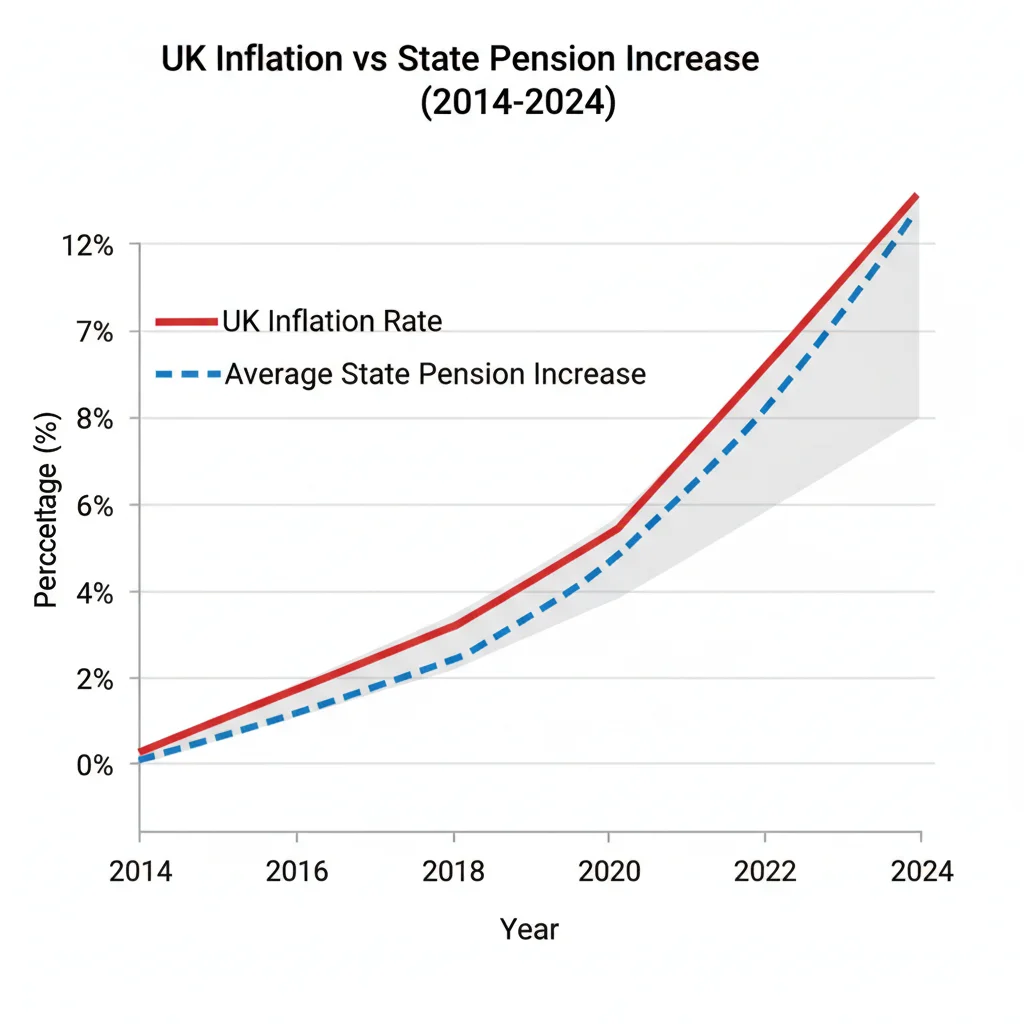
The government’s explicit confirmation of the pension triple lock for 2026 comes at a time of considerable economic uncertainty. The UK has grappled with elevated inflation rates, largely driven by global supply chain issues, the war in Ukraine, and energy price shocks. This inflationary environment has made the triple lock particularly expensive, as pension increases have been tied to soaring CPI figures.
The decision to commit to 2026 can be seen as a strategic move to provide certainty and reassurance to the elderly population, a significant and politically engaged demographic. With a general election on the horizon, both major political parties are keen to demonstrate their commitment to protecting pensioners. Breaking the triple lock promise, even temporarily, has historically proven to be politically costly.
However, this commitment is not without its critics. Concerns about the long-term affordability of the triple lock have been voiced by economists, think tanks, and even some within government circles.
Inflation’s Impact: A Double-Edged Sword
Inflation’s role in the pension triple lock debate is particularly prominent. While high inflation triggers substantial pension increases, offering a vital lifeline to pensioners struggling with the rising cost of living, it simultaneously places immense pressure on public finances. For example, when CPI soared to over 10%, the state pension increase for the following year was also in double digits, leading to billions of pounds in additional expenditure for the government.
For pensioners, this can be a double-edged sword. On one hand, their state pension income is protected against the erosion of purchasing power. On the other hand, many pensioners also rely on other forms of income, such as private pensions or savings, which may not be indexed to inflation in the same way, or at all. This can lead to a disparity in financial well-being, where the state pension provides a strong baseline, but other income sources falter in real terms.
Furthermore, the broader economic impact of high inflation affects everyone. Rising prices for essentials like food, energy, and housing squeeze household budgets across the board. While the triple lock aims to mitigate this for state pensioners, it doesn’t insulate them entirely from the wider economic pressures.
Challenges and Criticisms of the Pension Triple Lock
Despite its laudable goal of protecting pensioner incomes, the pension triple lock faces several significant challenges and criticisms:
Fiscal Sustainability
Perhaps the most prominent concern is the long-term fiscal sustainability of the policy. As the population ages and the proportion of pensioners to workers increases, the cost of the state pension system, particularly with the triple lock in place, is projected to rise substantially. This puts a growing burden on the working population through taxation.
Intergenerational Fairness
Critics argue that the triple lock creates an issue of intergenerational fairness. Younger generations, who often face high housing costs, student debt, and stagnant wage growth, may perceive the policy as disproportionately benefiting older generations at their expense. This tension can lead to resentment and calls for reform.
Volatility and Predictability
The inherent volatility of the three components (earnings, inflation, 2.5%) makes it difficult for the Treasury to predict future state pension expenditure accurately. This lack of predictability can complicate government budgeting and long-term financial planning.
The ‘Ratchet Effect’
The triple lock has a ‘ratchet effect,’ meaning the state pension can only ever increase, never decrease in real terms. While this protects pensioners, it also means that if one of the components spikes, the state pension rises significantly, and that higher base then becomes the starting point for future increases, even if economic conditions normalize. This can lead to the state pension growing faster than earnings over the long term, potentially making it unaffordable.
Potential Reforms and Future Outlook
Given the ongoing debates, various potential reforms to the pension triple lock have been proposed, though none have gained widespread political consensus. These include:
- Double Lock: This would remove the 2.5% floor, meaning pensions would increase by the higher of earnings or inflation. This would still offer protection but remove the automatic minimum increase.
- Earnings Link Only: Returning to a system where pensions are solely linked to average earnings growth. This would ensure pensions keep pace with the general standard of living but offer less protection against high inflation.
- Smoothed Averages: Using a smoothed average of earnings or inflation over several years to reduce the impact of sudden spikes in any single year.
- Means-Testing: While politically unpopular, some suggest exploring forms of means-testing or targeting pension increases to those most in need.
The government’s 2026 commitment suggests that significant reform is unlikely in the immediate future, at least not before the next general election. However, the long-term pressures on public finances and the demographic shift will inevitably force a more comprehensive review of the state pension system. Any future government will need to balance the legitimate needs of pensioners with the broader economic health of the nation and the principle of intergenerational fairness.
Impact on Retirement Planning
For individuals approaching or in retirement, the government’s commitment to the pension triple lock for 2026 offers a degree of reassurance regarding their state pension income. This certainty can be a valuable component in retirement planning, allowing individuals to better forecast their baseline income.
However, it is crucial for individuals not to rely solely on the state pension. While the triple lock provides protection, the state pension is designed to be a foundation, not a luxurious income. Private pensions, savings, and investments remain vital for a comfortable retirement. The ongoing debate and potential for future reforms highlight the importance of diversifying retirement income sources and staying informed about policy changes.
Financial advisors often emphasize the need for robust personal planning, considering various economic scenarios. Understanding how the state pension interacts with other income streams, and how inflation affects different asset classes, is key to building a resilient retirement strategy.

The Political Landscape and Future of the Pension Triple Lock
The pension triple lock has become a highly politicized issue in the UK. Both the Conservative and Labour parties have, at various points, expressed support for the policy, recognizing the electoral significance of the pensioner vote. Retreating from the triple lock can be perceived as an attack on the elderly, a demographic with high voter turnout.
The 2026 commitment can be interpreted as a pre-election pledge, aiming to solidify support among older voters. However, the economic realities post-2026 will undoubtedly bring the debate back into sharp focus. If inflation remains stubbornly high, or if economic growth falters, the fiscal burden of the triple lock will become even more pronounced, potentially forcing difficult decisions.
Future discussions around the triple lock will likely involve a careful balancing act between:
- Protecting vulnerable pensioners: Ensuring that the state pension provides an adequate safety net.
- Fiscal responsibility: Managing the national debt and ensuring sustainable public finances.
- Intergenerational equity: Fairly distributing the economic burden and benefits across different age groups.
Any long-term solution will require cross-party consensus and a willingness to engage in an honest dialogue about the future of the state pension. This might involve a gradual evolution of the policy rather than an abrupt change, allowing individuals and the economy to adapt.
Conclusion
The UK government’s confirmation of the pension triple lock for 2026 provides a degree of short-term stability for pensioners amidst a challenging economic climate. It underscores the political sensitivity surrounding state pension provision and the government’s commitment to protecting pensioner incomes, particularly in the face of persistent inflation.
However, this commitment does not resolve the fundamental questions about the long-term sustainability and intergenerational fairness of the triple lock. As the UK population continues to age and economic pressures persist, the debate over the state pension and its indexing mechanism is far from over. For individuals, understanding the nuances of the triple lock and actively planning for retirement beyond just the state pension remains paramount. The 2026 commitment is a waypoint, not the final destination, in the ongoing journey to secure a fair and sustainable future for all UK pensioners.
The continued vigilance over economic indicators, demographic trends, and political discourse will be essential for anyone interested in the future of the UK’s state pension system. The pension triple lock, while a robust protector for now, will undoubtedly remain a central topic in economic and social policy discussions for years to come.