2026 UK Energy Price Cap: What Households Can Expect
The 2026 Energy Price Cap Adjustment: What UK Households Can Expect for Utility Bills Starting October 1st
As the UK navigates a complex economic landscape, the looming 2026 energy price cap adjustment is a topic of significant concern for millions of households. Starting October 1st, 2026, new changes are expected to come into effect, directly influencing how much consumers pay for their electricity and gas. Understanding these changes, the factors driving them, and how to mitigate their impact is crucial for every household budget. This comprehensive guide aims to shed light on what UK households can expect regarding their utility bills, offering insights and practical advice.
Understanding the UK Energy Price Cap
The energy price cap is a limit on the maximum amount energy suppliers can charge for each unit of gas and electricity. Introduced by Ofgem, the energy regulator, it was designed to protect consumers from sudden and excessive price hikes, especially for those on standard variable tariffs. Rather than a cap on your total bill, it’s a cap on the unit price and standing charge. The cap is reviewed and adjusted quarterly, reflecting changes in wholesale energy prices and other costs faced by suppliers. These adjustments are critical, as they directly dictate the maximum rates suppliers can charge, profoundly affecting household budgets across the nation. The upcoming 2026 adjustment will be particularly scrutinized given the volatility of global energy markets and the ongoing cost of living crisis.
The Mechanics of the Price Cap
Ofgem calculates the price cap based on several components:
- Wholesale Costs: This is the largest component, reflecting the price energy suppliers pay for gas and electricity from generators. Global events, supply and demand, and geopolitical factors significantly influence these costs.
- Network Costs: These are the costs associated with maintaining and upgrading the infrastructure that transports gas and electricity to homes.
- Operating Costs: This includes the administrative and operational expenses of energy suppliers, such as billing, customer service, and IT.
- Environmental and Social Obligations: These are costs related to government schemes designed to promote renewable energy and support vulnerable households.
- Supplier Profit Margin: A small allowance for suppliers to make a reasonable profit.
Each of these components can fluctuate, leading to changes in the overall price cap. The 2026 review will take into account the projected costs for the period from October 2026 onwards, meaning any significant shifts in these underlying factors could lead to substantial adjustments in the cap. For UK energy prices, this means a constant dance between market realities and regulatory intervention.
Key Factors Influencing the 2026 Adjustment
Several critical factors are expected to shape the 2026 energy price cap. Understanding these influences can help households anticipate potential changes and prepare accordingly.
Global Wholesale Energy Prices
The most significant driver of the price cap is the cost of wholesale energy. Global events, such as geopolitical conflicts, supply chain disruptions, and changes in demand, have a direct and immediate impact. For instance, disruptions in gas supply from major producers can send prices soaring, which eventually filters down to consumer bills. As the world continues to navigate energy transitions and supply uncertainties, wholesale prices remain highly volatile. The 2026 cap will be heavily dependent on the stability and availability of international energy sources, particularly natural gas, which still plays a substantial role in the UK’s energy mix.
Inflation and Economic Conditions
Inflationary pressures across the wider economy also affect the price cap. The costs associated with running energy businesses – from wages and infrastructure maintenance to administrative expenses – are subject to inflation. Higher inflation generally translates to higher operating costs for suppliers, which can then be reflected in the price cap. The Bank of England’s efforts to control inflation will therefore have an indirect but significant impact on the future of UK energy prices. A sustained period of high inflation could push the non-wholesale components of the cap upwards.
Government Policy and Green Initiatives
Government policies and commitments to green energy targets play a crucial role. While long-term investments in renewable energy aim to reduce reliance on volatile fossil fuels, the immediate costs of transitioning to a greener energy system can sometimes be passed on to consumers through various levies and obligations. Schemes like the Renewables Obligation or Feed-in Tariffs, while beneficial for the environment, add to the overall cost base factored into the price cap. Future government decisions on energy policy, particularly those related to net-zero targets and energy security, will be closely watched as they could introduce new costs or incentives affecting the 2026 adjustment.
Network Costs and Infrastructure Upgrades
The UK’s energy infrastructure requires continuous investment for maintenance, upgrades, and expansion to meet growing demand and integrate new technologies like electric vehicle charging points and renewable energy sources. These network costs are a component of the price cap. As the country moves towards a more electrified future, significant investments in grid modernization are necessary, and these costs are ultimately borne by consumers. The scale and timing of these infrastructure projects could influence the network cost component of the 2026 cap.
What UK Households Can Expect for Utility Bills
While the exact figures for the 2026 energy price cap are still some time away, we can make informed predictions based on current trends and historical adjustments. Households should prepare for potential fluctuations and consider strategies to mitigate the impact on their utility bills.
Potential Scenarios for the Price Cap
There are several scenarios that could unfold for the 2026 energy price cap:
- Moderate Increase: If wholesale prices stabilize or slightly increase, and inflation remains controlled, we might see a moderate rise in the cap. This would mean a noticeable but manageable increase in average utility bills.
- Significant Increase: A resurgence in global energy market volatility, coupled with sustained high inflation or new policy costs, could lead to a substantial increase in the cap. This scenario would place considerable pressure on household budgets.
- Small Decrease/Stabilisation: While less likely given current projections, a significant drop in wholesale prices and efficient cost management by suppliers could lead to a slight decrease or stabilisation of the cap. This would offer some relief to consumers.
It’s important to remember that the price cap sets the maximum, and some suppliers may offer tariffs below the cap, especially in a competitive market. However, with the current landscape, most standard variable tariffs tend to hover around the cap level. The overall trend for UK energy prices has been upward in recent years, making proactive planning essential.
Impact on Average Household Bills
The impact on average household bills will depend directly on the percentage change in the unit rates and standing charges. A 10% increase in the cap, for example, could add hundreds of pounds to annual bills for a typical household. For those already struggling with the cost of living, even a modest increase can be significant. The variability of energy consumption across households also means that the impact will differ: larger homes, those with less efficient insulation, or families with higher energy demands will feel the changes more acutely. Understanding your household’s typical energy usage is the first step in assessing your personal exposure to these adjustments.
Regional Variations
It’s also worth noting that energy prices can vary slightly by region due to differences in network costs. While the national cap provides a benchmark, the exact unit rates and standing charges can differ based on your specific location within the UK. This means that households in different parts of the country might experience slightly different bill totals even under the same national price cap. Ofgem publishes regional breakdowns, which can be useful for more precise forecasting.
Strategies for Managing Your Energy Bills
Regardless of the 2026 energy price cap adjustment, there are numerous proactive steps UK households can take to manage and reduce their utility bills. Focusing on energy efficiency and smart consumption habits can provide significant savings.
Improve Home Energy Efficiency
Investing in energy efficiency is one of the most effective long-term strategies. This can include:
- Insulation: Loft, wall, and floor insulation can drastically reduce heat loss, meaning your heating system doesn’t have to work as hard.
- Draft-proofing: Sealing gaps around windows, doors, and floorboards can prevent heat from escaping.
- Double Glazing: Upgrading to double or triple glazing can significantly improve thermal retention.
- Efficient Appliances: When replacing appliances, opt for those with high energy efficiency ratings (A+++ or similar).
- Boiler Servicing/Upgrades: Regular servicing ensures your boiler runs efficiently, and upgrading to a modern, efficient boiler can lead to substantial savings.
Many of these improvements might require an initial investment, but they typically pay for themselves over time through reduced energy consumption. Government grants and schemes may also be available to help with the costs of these upgrades.

Smart Energy Consumption Habits
Small changes in daily habits can also add up to significant savings:
- Turn Off Lights and Appliances: Simple but effective. Don’t leave lights on in empty rooms, and switch off appliances at the wall rather than leaving them on standby.
- Manage Heating Effectively: Use a smart thermostat to program your heating to come on only when needed, and set it to a comfortable but not excessively high temperature (e.g., 18-21°C).
- Reduce Hot Water Usage: Take shorter showers, and consider installing a water-efficient showerhead.
- Laundry Habits: Wash clothes at lower temperatures and only when you have a full load. Air dry clothes when possible.
- Cooking Smart: Use lids on pans to retain heat, use microwaves for smaller portions, and consider batch cooking.
These adjustments require minimal effort but can collectively make a noticeable difference to your monthly bills, regardless of the UK energy prices.
Utilising Smart Meters and Data
Smart meters provide real-time information on your energy consumption, allowing you to see exactly how much energy you’re using and what it’s costing you. This data is invaluable for identifying energy-intensive habits and making informed decisions about where to cut back. Many smart meters come with in-home displays that make it easy to track usage. Regularly reviewing this data can empower households to take control of their energy consumption and adapt to changing UK energy prices.
Exploring Different Tariffs and Suppliers
While the price cap applies to standard variable tariffs, the market may still offer fixed-rate tariffs or other deals that could be more beneficial for some households, depending on market conditions. It’s always advisable to regularly compare tariffs from different suppliers. While the market for fixed deals has been limited during periods of high volatility, it’s worth checking if new competitive offers emerge closer to the 2026 cap adjustment. Switching suppliers can sometimes lead to better rates or more flexible terms, providing a way to navigate the complexities of UK energy prices.
Government Support and Assistance Schemes
For households facing particular hardship, various government and energy supplier support schemes are available. It’s important to be aware of these and apply if you are eligible.
Warm Home Discount Scheme
This scheme provides a one-off discount on electricity bills for eligible low-income households and those receiving certain benefits. The criteria can change annually, so it’s essential to check your eligibility each year. This discount can offer significant relief, especially during the colder months when energy consumption is higher.
Winter Fuel Payment
The Winter Fuel Payment is an annual tax-free payment to help older people with their heating costs. Most payments are made automatically, but if you’ve not received it before and think you’re eligible, you may need to make a claim. This payment is a vital support for many elderly individuals in managing their UK energy prices.
Cold Weather Payments
These payments are made to eligible individuals when the average temperature in their area is recorded as, or forecast to be, zero degrees Celsius or below for seven consecutive days. These payments are crucial for vulnerable households during extreme cold snaps.
Energy Supplier Hardship Funds
Many energy suppliers operate their own hardship funds or provide grants to customers struggling to pay their bills. If you are in debt to your energy supplier, it’s always worth contacting them directly to discuss your situation and see what support they can offer. They may be able to set up a payment plan, provide advice, or direct you to charitable grants. Knowing these options exist can provide a safety net for those most impacted by rising UK energy prices.
The Future of UK Energy Prices Beyond 2026
Looking beyond the 2026 adjustment, the UK energy market is in a state of continuous evolution. Long-term trends and policy decisions will shape the landscape for decades to come.
Transition to Renewables
The UK is committed to transitioning to a net-zero economy, which involves a significant shift towards renewable energy sources like wind and solar. While the initial investment in these technologies can be substantial, in the long run, they offer the potential for more stable and less volatile energy prices, as they are not subject to the geopolitical whims that affect fossil fuel markets. The pace and success of this transition will be a major determinant of future UK energy prices.
Energy Storage and Grid Modernisation
As renewable energy sources become more prevalent, the need for advanced energy storage solutions (like large-scale batteries) and a smarter, more resilient grid becomes paramount. These technologies help manage the intermittency of renewables and ensure a stable supply. Investments in these areas will be crucial, and their costs will be factored into future energy bills. A modernised grid can also facilitate more localised energy generation and consumption, potentially offering new models for energy pricing.
Technological Innovations and Smart Homes
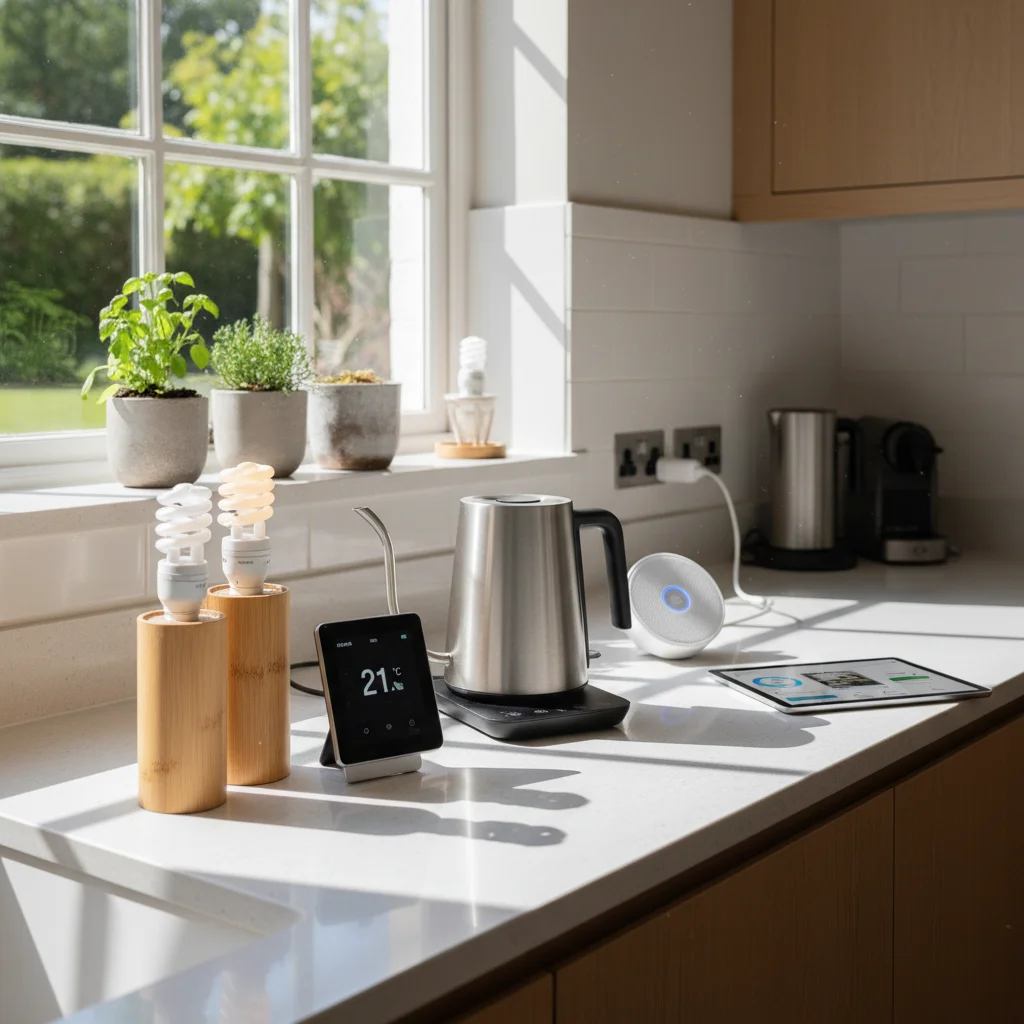
The rise of smart home technology, from intelligent thermostats to energy-efficient appliances and even home battery storage, empowers consumers to have greater control over their energy usage. As these technologies become more affordable and widespread, they could play a significant role in helping households manage their bills more effectively, even as UK energy prices fluctuate. The integration of artificial intelligence into home energy management systems promises even greater optimisation in the future.
Consumer Engagement and Behaviour Change
Ultimately, the collective behaviour of millions of consumers will also shape the future. Greater awareness of energy consumption, coupled with proactive measures to reduce waste and embrace efficiency, can contribute to a more sustainable and affordable energy system. Educational campaigns and clear communication from Ofgem and suppliers will be vital in encouraging this shift in consumer behaviour.
Conclusion
The 2026 energy price cap adjustment is an important milestone for UK households. While the exact figures are yet to be determined, understanding the underlying factors and preparing for potential changes is key. By focusing on energy efficiency, adopting smart consumption habits, and being aware of available support, households can navigate the evolving energy landscape more effectively. The journey towards a sustainable and affordable energy future is a shared responsibility, with regulatory bodies, suppliers, and consumers all playing a vital role in shaping the UK energy prices for years to come. Staying informed and proactive will be your best defence against rising utility bills.